
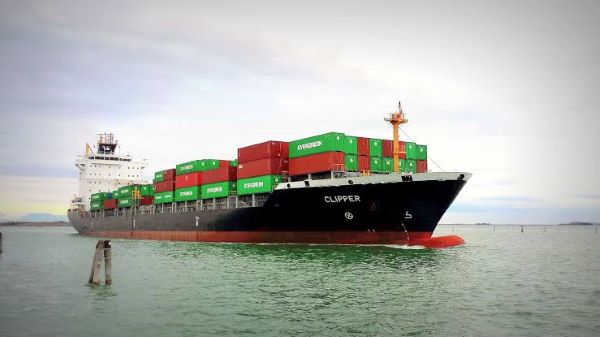

Every container of goods that crosses an ocean does so aboard a vessel that is, in engineering terms, a carefully managed balancing act. The ship must stay stable whether it is fully loaded, half empty, or riding out rough weather mid-Atlantic. That stability does not happen by accident. It is the result of systems working quietly below the waterline and increasingly, those systems are getting smarter.
The shipping industry carries roughly 90 percent of world trade by volume, yet it remains largely invisible to the public until something goes wrong. What is changing fast, and what rarely makes headlines, is the depth of engineering innovation happening inside vessels themselves.
The Machinery That Keeps Ships on an Even Keel
A modern cargo vessel is not just a floating box. Its weight distribution shifts constantly as cargo is loaded or offloaded at different ports, as fuel is consumed, and as weather conditions change. To manage this, ships rely on ballast water systems: networks of tanks that take on or expel seawater to adjust the vessel’s trim and stability. The pumps that drive these systems are, in practice, some of the most critical components on board.
Getting this right demands precision engineering. Modern ballast pumps from companies like DESMI are designed to handle the demanding conditions of marine environments: variable pressures, corrosive saltwater, and the need for continuous, reliable operation over long voyages. The engineering challenge is not simply moving water from one tank to another; it is doing so accurately, efficiently, and in compliance with increasingly strict international regulations.
Ballast Water Treatment: A Regulatory Turning Point
For decades, ballast water was treated as little more than a technical necessity. Ships would take on water at one port and discharge it at another, inadvertently transporting invasive marine species across ocean basins. The ecological consequences have been severe in some regions. In response, the International Maritime Organization introduced the Ballast Water Management Convention, which came into full force in 2017 and has since been progressively tightened.
Compliant vessels now need treatment systems capable of filtering and disinfecting ballast water before discharge. This has pushed pump manufacturers toward designs that integrate more cleanly with treatment units, handle higher flow rates without sacrificing efficiency, and meet tighter performance standards over their operational lifespan.
Digitisation and the Smart Ship Movement
Beyond the pump itself, the bigger shift in marine engineering is the move toward integrated ship management. IoT sensors, remote monitoring platforms, and predictive maintenance software are turning mechanical systems into data sources. A pump that once required a manual inspection to detect early wear can now flag anomalies automatically, allowing crews to act before a failure occurs.
The IMO’s decarbonisation targets add another layer of urgency to this transformation. Shipowners are under pressure to reduce fuel consumption and cut emissions, which means that every auxiliary system, including pumps, is now being scrutinised for energy efficiency. Variable speed drives, optimised impeller designs, and smarter control systems are all part of the answer. According to the International Maritime Organization, the global fleet needs to cut greenhouse gas emissions by at least 40 percent by 2030 relative to 2008 levels, a target that makes engineering efficiency a commercial priority, not just a regulatory one.
What the Next Generation of Vessels Will Look Like
Shipbuilders and engineering suppliers are now working in closer alignment than at any point in recent history. The reason is straightforward: vessels have longer service lives than most industrial assets, often 20 to 30 years, so the decisions made at the design stage have long consequences. Integrating smart pumping systems, compliance-ready ballast water treatment, and energy-monitoring infrastructure at the build stage is far more cost-effective than retrofitting later.
For shipping companies, this shift represents both a capital challenge and a competitive opportunity. Vessels that can demonstrate lower emissions profiles and regulatory compliance across their full system stack will be better positioned as charterers and cargo owners increasingly factor sustainability into their supplier decisions.
The maritime industry has never moved quickly. Its cycles are long, its capital commitments enormous, and its regulatory environment complex. But the pace of change visible inside modern vessels, in the engineering of components like pumping systems, digital monitoring, and emissions controls, suggests that the transformation now underway is more fundamental than anything the sector has seen in a generation.
