
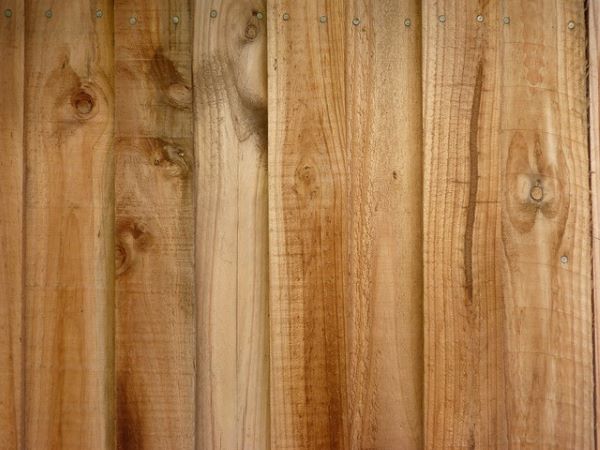

Installing a cedar privacy fence demands thorough planning. It all starts with accurate property line measurements—critical for avoiding conflicts with neighbors.
High-quality cedar, notably Western Red Cedar due to its longevity, is a vital component of a durable fence. Inspecting the wood’s grain structure should also be prioritized.
Professionals highlight the importance of essential tools like a circular saw, level, and post hole digger, with a recommendation for digging holes at least two feet deep to ensure stability.
Design choices can be an opportunity to get creative. Features like stepped designs and decorative elements can not only enhance privacy but also improve the overall aesthetics of outdoor environments.
Ongoing maintenance is key. Annual cleaning and sealing are necessary to maintain the fence’s structural integrity while keeping it visually appealing through the years.
Prior to installation, it’s vital to understand local regulations and zoning laws. This knowledge can prevent future conflicts and avoid fines, underscoring its importance in the planning phase.
Though it may seem cheaper to undertake a DIY installation, hiring professionals often results in better long-term outcomes, providing clients with peace of mind via expertise and warranties on workmanship.
Essential Steps to a Flawless Cedar Fence Installation
Planning Your Cedar Fence Layout Like a Pro
Cedar privacy fence installation involves much more than placing the first board. Professionals consistently emphasize the significance of a thoughtfully planned layout. Start by assessing property lines—clear, accurate measurements are absolutely essential. It’s a detail that often gets overlooked, but any miscalculation can result in expensive rework. Conflicts with neighbors usually arise from boundary misunderstandings, so it’s wise to take a tape measure and double-check those lines.
Next, consider the fence’s overall design. What’s its purpose? Is it only about creating privacy, or will it also enhance aesthetics? Configuration plays a significant role in both functionality and visual appeal. A sturdy fence might be ideal for one property, while a picket style could better suit another’s landscape.
Don’t forget about local regulations. Many communities enforce strict codes on fence height and type. Disregarding these can lead to fines or required adjustments. It’s crucial to review local ordinances prior to committing to any design.
- Measure all property lines accurately.
- Identify the fence’s primary purpose.
- Research local regulations regarding height and materials.
Choosing the Right Cedar: What Experts Recommend
Not every cedar is the same. When selecting materials for a cedar fence, clients often find it beneficial to understand the distinctions between Western Red Cedar and Eastern White Cedar. Western Red Cedar is well-known for its natural decay resistance, significantly extending the lifespan of the fence. On the other hand, Eastern White Cedar is lighter and more budget-friendly but may demand greater maintenance over time.
Professionals recommend evaluating the grain structure too. Wood with tight grain patterns typically indicates a resilient material capable of enduring the elements. Choosing grade A lumber generally leads to a more robust and visually appealing result. Selecting high-quality materials isn’t just a suggestion; it’s almost essential for those targeting longevity.
- Understand the differences between cedar types.
- Inspect the wood’s grain structure prior to purchase.
- Opt for grade A lumber for durability and aesthetics.
Tools and Techniques for Precision Installation
Having the right tools is paramount. The success of a cedar privacy fence installation project often hinges on equipment quality. Start with the basics: a circular saw, level, post hole digger, and measuring tape. Investing in a good level is key; it ensures that all posts align properly. Any misalignment could result in an uneven fence that looks unattractive and lacks structural strength.
Once the tools are ready, techniques come into play. It’s recommended to dig post holes at least two feet deep for added stability, especially in frost-prone regions. Securing posts with cement is a common practice for ensuring they remain steadfast. Another useful method is to “screed.” This involves stretching a straight line between posts to guarantee height consistency.
“The difference between a properly installed fence and a shabby one often comes down to tools and attention to detail.”
- Gather essential tools: circular saw, level, post hole digger.
- Ensure post holes are at least two feet deep.
- Use cement to secure posts and consider screeding for straight lines.
Maximizing Privacy and Aesthetics with Cedar Fences
Design Strategies that Enhance Your Outdoor Space
Design serves as the intersection of functionality and creativity. Cedar fences can become much more than mere barriers; they can turn outdoor areas into private sanctuaries. Experts often recommend considering a “stepped” fence design. This adds visual appeal and can adeptly handle uneven terrain.
Clients may find that adding decorative elements, such as latticework or arched tops, provides a chance for creativity while ensuring privacy. Including plants or vines that will grow along the fence can create an additional layer of screening and beauty as they flourish. The ultimate goal is to cultivate a space that feels both welcoming and secluded.
- Explore stepped fence designs for uneven terrain.
- Consider adding decorative features to enhance aesthetics.
- Integrate plants or climbing vines to boost privacy.
Maintenance Tips to Preserve Beauty and Longevity
No matter how well-built a cedar fence is, it won’t endure without proper care. Experts stress a few essential maintenance practices. To start, an annual cleaning using a soap and water mixture can be extremely effective. This routine helps eliminate dirt and mildew that can penetrate the wood.
Sealing the wood yearly is vital, too. A good sealant or stain protects against moisture damage. And what about that beautiful honey-brown shade? Consistent application helps maintain that original hue and prevents the unwanted grey appearance that aging wood can develop.
“Regular maintenance isn’t just about looks; it’s essential for the fence’s structural integrity.”
- Clean the fence annually with soap and water.
- Apply quality sealant or stain once a year.
- Regularly check for signs of wear or damage.
Avoiding Common Pitfalls in Cedar Fence Projects
Understanding Local Regulations Before You Begin
Paying attention to regulations shouldn’t be an afterthought. Laying the groundwork is necessary to prevent future disputes or fines. Many localities impose zoning laws that dictate fence heights, styles, and setback requirements from the property lines. Starting any cedar privacy fence installation without this knowledge can lead to regrettable oversights.
Clients usually find it beneficial to check in with the local planning board for clarity around regulations. Requesting maps and documentation can uncover essential information. Engaging with neighbors before beginning the project can also reduce future complications, fostering goodwill and cutting down on tension.
- Consult local zoning laws before installation.
- Request information from local planning boards.
- Discuss plans with neighbors to avert disputes.
How Weather Impacts Your Installation Timeline
Weather can be unpredictable, and project timelines often reflect that reality. Experts suggest planning installation several weeks in advance, keeping potential delays from seasonal changes in mind. Rain can make the ground muddy, complicating excavation. Windy conditions can hinder the lifting of heavier panels. Awareness of local weather patterns is vital for determining the optimal time to break ground.
Additionally, wood reacts to environmental conditions. Installation should be steered clear of extreme temperatures. Summer’s heat can warp the wood, while freezing conditions complicate digging post holes.
- Plan installations several weeks ahead to account for weather delays.
- Avoid extreme weather conditions during the installation process.
- Keep an eye on local forecasts for timely updates.
Cost-Effective Factors that Influence Cedar Fence Pricing
Hidden Costs: What to Include in Your Budget
Accurate budgeting stands out as one of the most critical elements of any cedar fence project. Many clients tend to overlook hidden costs that can inflate the overall expenditure. The installation of posts itself usually isn’t the only charge. Tools, whether purchased or rented, can accumulate costs quickly. Instead of waiting until the project’s end, professionals advise itemizing every potential expense upfront.
Permits shouldn’t be forgotten either. Fees associated with city or county permits often factor into the overall budget. Lastly, it’s wise to consider ongoing maintenance costs, which shouldn’t escape attention. They can mount up over the years and significantly impact long-term financial planning.
- Itemize all potential costs before starting.
- Account for tools and permits in the budget.
- Plan for ongoing maintenance expenses.
Comparing DIY vs. Professional Installation: What’s Best?
The allure of DIY is strong for many, but is it the best approach for a cedar privacy fence installation? The potential cost savings are often appealing to those looking to take on the project themselves. However, what seems like a bargain initially might escalate into major expenses if mistakes arise. A lack of experience can result in misalignment, use of inferior materials, or even neglecting required permits.
Hiring professionals brings expertise, efficiency, and warranties on workmanship. While it may involve a higher initial cost, this route usually results in a more durable, visually captivating outcome. Clients ought to weigh long-term value against short-term savings. This decision goes beyond mere immediate costs; it’s about the peace of mind that accompanies quality craftsmanship.
“Sometimes the best investment is in expertise.”
- Evaluate potential savings versus risks of DIY.
- Consider the long-term value of professional installations.
- Honestly assess skill levels before diving in.
FAQ on Cedar Privacy Fence Installation: Key Insights for Success
What kind of maintenance is recommended for cedar fences?
Regular maintenance should include an annual cleaning with soap and water to get rid of dirt and mildew. Clients are advised to also apply a quality sealant or stain each year, protecting against moisture and UV damage while preserving both appearance and structural integrity.
How can cedar fences enhance property value?
Investing in a cedar fence can significantly boost property value. A well-installed, attractive fence not only improves curb appeal but also attracts potential buyers, serving as both a necessary boundary and an appealing feature of the landscape.
Are there eco-friendly options for sealing cedar wood?
Indeed, there are eco-friendly sealants and stains available that offer protection without harmful chemicals. Many clients choose water-based products, which are biodegradable and low in VOCs, protecting both the fence and the environment.
What is the ideal height for a privacy fence?
The ideal height for a privacy fence often hinges on local regulations, but many homeowners prefer heights ranging from 6 to 8 feet. This range typically provides ample privacy while remaining visually appealing and compliant with zoning laws.
How do cedar fences compare to vinyl fences?
Cedar fences boast a natural beauty and character that vinyl simply can’t replicate. While vinyl may entail less maintenance, cedar offers durability, a timeless look, and is sustainable due to its natural properties, making it a favored choice for many homeowners.
What should be done if the cedar fence starts to warp?
If warping is detected, assessing the root cause is crucial—be it improper installation or environmental factors. Rectifying measures could involve reinforcing structural supports, re-leveling posts, or applying moisture-resistant treatments to mitigate further warping.
Can homeowners take on large installation projects alone?
While homeowners might successfully tackle smaller projects, larger installations usually benefit from professional expertise. Depth of experience helps ensure proper alignment, stability, and compliance with regulations, preventing costly mistakes in the future.
What accessories can enhance a cedar fence’s functionality?
Accessories such as gate latches, decorative caps, and lighting can elevate a cedar fence’s functionality and aesthetic charm. Including features like planters or trellises allows for creativity while maximizing privacy and enriching the outdoor experience.
